Le blogue du CÉPI est écrit par des spécialistes en la matière.
Les blogs CIPS sont protégés par la licence Creative Commons: Attribution – Pas de Modification 4.0 International (CC BY-ND 4.0).


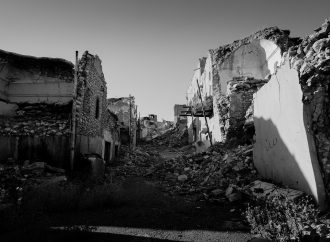
Following a long conversation between Presidents Obama and Putin at the recent G20 Summit in Mexico, U.S. officials claimed that progress had been made in identifying areas where U.S. and Russian interests coincide. “We agreed that we need to see a cessation of violence, that a political process has to be created to prevent civil
EN SAVOIR PLUS
Derek Burney and Fen Osler Hampson have well-deserved reputations as level-headed observers of Canada-U.S. relations. How, then, did they come to write an article so full of misjudgments on this subject? The article in question, “How Obama Lost Canada,” appeared on the website of Foreign Affairs magazine this week. As the title suggests, the authors
EN SAVOIR PLUS
The decision of the Harper government to close the Office of the Inspector General of CSIS and end its 28-year history opens a new and challenging chapter for the process of keeping watch over the Canadian security and intelligence community. It’s hard to be optimistic that this change will be for the better. The Government
EN SAVOIR PLUS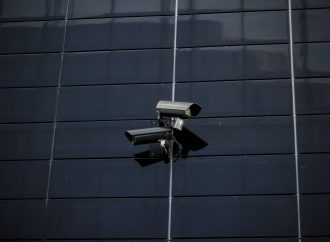
In the early 1970’s, the Director of the CIA used to tell fellow Americans, “trust us”. That turned out to be bad advice – bad for the CIA and bad for the reputation of a country ostensibly dedicated to the rule of law. It’s only prudent, therefore, to ask how the Canadian Security and Intelligence
EN SAVOIR PLUS
Le blogue du CÉPI est écrit par des spécialistes en la matière.
Les blogs CIPS sont protégés par la licence Creative Commons: Attribution – Pas de Modification 4.0 International (CC BY-ND 4.0).