Le blogue du CÉPI est écrit par des spécialistes en la matière.
Les blogs CIPS sont protégés par la licence Creative Commons: Attribution – Pas de Modification 4.0 International (CC BY-ND 4.0).


by Philippe Lagassé The Harper government recently announced that the National Fighter Procurement Secretariat (NFPS) will be looking at various options to replace Canada’s aging CF-18s. This comes at a time when the news about the F-35 Joint Strike Fighter, the plane that the Department of National Defence (DND) and Royal Canadian Air Force (RCAF)
EN SAVOIR PLUSby John Mundy Publié dans le Globe and Mail, 26 novembre 2012 The Munk Debate on the question of war with Iran, to be held on Monday night in Toronto, could not be more timely. With elections finally decided in the United States and scheduled for January in Israel and July in Iran, all three
EN SAVOIR PLUS
Publié dans le Ottawa Citizen, 25 novembre 2012 Iran was an issue in the U.S. election. Now that he has won, President Barack Obama has to decide what to do about it. There are no good options. Beyond the rhetoric over the need for a rapid attack, much of it coming, until recently, from Israeli
EN SAVOIR PLUS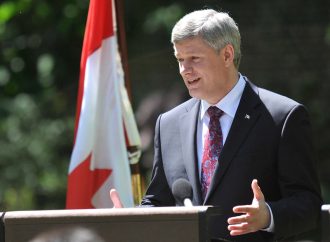
The Harper government’s “secret” foreign policy plan, revealed by the CBC today, offers few surprises. Its emphasis on pursuing economic opportunities, particularly in emerging markets, is a reflection of what the government is already doing. The real news is not that this document exists – the fact that it has been under development for over
EN SAVOIR PLUS
Le blogue du CÉPI est écrit par des spécialistes en la matière.
Les blogs CIPS sont protégés par la licence Creative Commons: Attribution – Pas de Modification 4.0 International (CC BY-ND 4.0).