Subscribe to the CIPS Newsletter
Archives
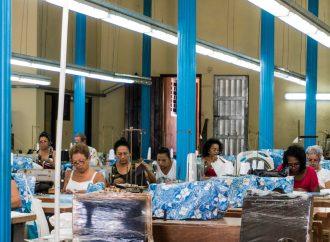
Bangladesh: The Future of Development Partnerships
- 20 janvier 2014
By Syed Sajjadur Rahman, Visiting Professor, School of International Development and Global Studies, University of Ottawa
This essay, along with the ones by Yiagadeesen (Teddy) Samy and by Stephen Baranyi and Alicia Dobson, arose out of the Bangladesh: Out …
EN SAVOIR PLUS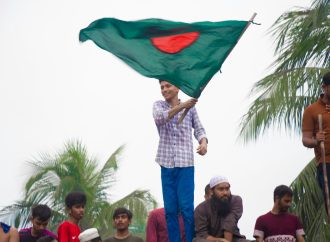
Bangladesh: Out of Fragility?
- 20 janvier 2014
By Yiagadeesen (Teddy) Samy, Associate Professor at the Norman Paterson School of International Affairs, Carleton University
This essay, along with the ones by Sajjad Rahman and by Stephen Baranyi and Alicia Dobson, arose out of the Bangladesh: Out …
EN SAVOIR PLUS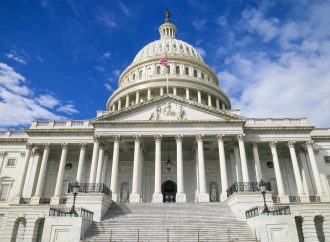
Authorizing U.S. Warfare: Domestic Critics, Global Constituencies and the Renewal of the AUMF
- 19 janvier 2014
By Mariah Zeisberg, Associate Professor of Political Science, University of Michigan. She will be giving a lecture at CIPS on January 23, 2014.
The 2001 Authorization for Use of Military Force (AUMF), which the United States Congress enacted after …
EN SAVOIR PLUS
Implications of the Kabul Restaurant Attack
- 19 janvier 2014
Since news broke of Friday’s horrific suicide attack on the largely foreign clientele of a Lebanese restaurant in Kabul, attention has understandably focused on the civilians who lost their lives, including two Canadians. But the event, which comes at a …
EN SAVOIR PLUSWhy is Ottawa Accelerating its International Aid Budget Cuts by Stealth?
- 14 janvier 2014
by Bruce Montador
The Harper government started two years ago to cut back on official development assistance (ODA), announcing in 2012 a three-year series of cuts (even if Canada is among the donor countries least under fiscal pressure to cut …
EN SAVOIR PLUS
Checking Whose Reality? Contra Burney/Hampson on Canada’s Mideast Policy
- 11 janvier 2014
Writing last week in the Globe and Mail (“Canada and the Middle East – A reality check”), Derek Burney and Fen Hampson aim to “set the record straight” regarding the Harper government’s diplomacy in the Middle East. Their effort …
EN SAVOIR PLUS
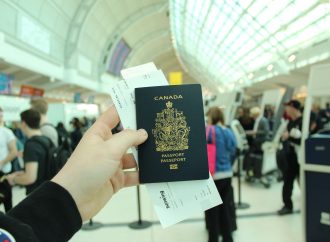
Passports Are Powerful Tools
- 10 janvier 2014
In A Thousand Farewells, her memoir of covering civil unrest and war in the Middle East, Canadian reporter Nahlah Ayed writes about the striking reception her citizenship received in that region. The Winnipeg-born daughter of Palestinian immigrants, Ayed found …
EN SAVOIR PLUSA Response to Derek Burney on Canada’s Foreign Policy
- 3 janvier 2014
A January 2nd op-ed in the Globe and Mail (republished in the CIPS Blog) on the current foreign policy of the Conservatives generated a lot of responses. Many were supportive, and others were quite critical. That is …
EN SAVOIR PLUS
Why Did It Take So Long to (Sort of) Finalize the CETA?
- 3 janvier 2014
In the fall of 2013 the Government of Canada finally announced that it had finalized (sort of) an agreement with the European Union for a comprehensive trade and economic agreement. I say “sort of” since all that was released was …
EN SAVOIR PLUSCanada’s Bitter, Small-Minded Foreign Policy
- 2 janvier 2014
A foreign policy comprises many things. Interests, however defined, often dominate. But values must also be present if that policy is to be more than a series of transactions. Canada has always been a curious country when it comes to …
EN SAVOIR PLUSDemocracy or the « Almighty Dollar » – Do We Need to Choose?
- 1 janvier 2014
by Gerd Schönwälder
When the Harper government made the interests of Canada’s business community its top foreign policy priority last month, effectively sidelining traditional Canadian concerns such as democratic development, good governance, or human security, some observers were quick to …
EN SAVOIR PLUS
Transatlantic Free Trade: Not a Novel Idea at All
- 19 décembre 2013
The benefits of the Conservative government’s recently signed trade deal with the European Union are going to be unknown for some time. It will take an army of economists, lawyers and political scientists to assess the pros and cons of …
EN SAVOIR PLUS