•  
  •  
  •  
  •  
  •  

Subscribe to the CIPS Newsletter

No spam, only authentic content.

Catégories
  • analyse
  • autre
  • CEPI
  • CIPS
  • Events
  • External
  • nouvelles
  • rapport
  • recherche
  • Repost
Étiquettes
Afrique Asie Canadian Foreign Policy Chine Chine Defence and Intelligence Democracy Droits de la personne Droits de la personne Défense et intelligence Défense et intelligence Démocratie Développement international Economy Environnement Etats-Unis Europe Femmes Genre International Development International Law International Security International Trade Latin America Les Nations Unies Loi internationale Middle East Moyen-Orient Moyen-Orient Politique étrangère canadienne Politique étrangère canadienne Refugees Relations internationales Royaume-Uni Russia Russie Réfugiés Santé Sécurité internationale Sécurité internationale USA World Order Research Échange international Économie États fragiles
728 x 90
  • Au sujet du Centre
    • Connectez-vous au CÉPI
    • Message de la directrice
    • CÉPI – Comment nous trouver – Carte du campus de l’Université d’Ottawa
    • Équipe
  • Événements
    • Événements à venir
    • Événements passés – Points forts
      • La conférence sur les idées mondiales
      • Le flanc oriental de l’OTAN : Défis et implications dans le contexte de la guerre en Ukraine
      • 10e Anniversaire du CÉPI
      • Le Forum d’Ottawa
  • Réseaux de recherche
    • Réseau des études asiatiques
    • Réseau de recherche sur le genre, la paix et le développement
    • Réseau de recherche en économie politique internationale (RÉPI)
    • Réseau en théorie internationale (RTI)
    • Réseau en études de sécurité
  • Publications
    • Rapport Annuel
      • 2025
      • 2024
      • 2023
      • 2022
      • 2021
      • 2020
      • 2019
      • 2018
    • Rapports, notes et documents de travail du CÉPI
    • Publications des membres du CÉPI
      • 2025
      • 2024
      • 2023
      • 2022
      • 2021
      • 2020
      • 2019
      • 2018
    • Rapports de conférence
      • Conference AmbCanada – CÉPI : Trouver la place du Canada dans un monde désordonné
      • Options de sécurité pour un monde en difficulté
      • Les défis des technologies émergentes en matière de sécurité
      • Vitesse vers l’abîme: course aux armements contemporaine et sécurité mondiale
    • Liste des lectures de politique étrangère canadienne
    • Séries thématiques
    • Revue des étudiants diplômés
  • Recherche
    • Les recherches en cours
    • Projets complétés
    • Nouvelles sur la recherche
    • Initiatives de recherche du CÉPI
      • Conflit, recul démocratique et politique de la diaspora au Canada
  • Chercheurs invités et stagiaires postdoctoraux au CÉPI
  • Étudiants diplômés
    • Revue des étudiants diplômés
    • Colloque des étudiants diplômés
  • Blog
    • Derniers articles de blog
    • Auteurs
    • Lignes directrices pour les auteurs de blogs
  • Media
    • Vidéos
    • Podcasts
    • Podcasts sur iTunes
    • Médias Sociaux
      • LinkedIn
      • Bluesky
    • Webinaires et dépannage en ligne
  • English
  • Accueil
  •  

États fragiles


  • Afghanistan’s Outlook for 2018 and Beyond

    • 29 janvier 2018

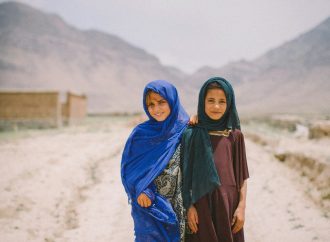
    The New Year ushers in predictions of what to expect in the coming year, but no predictions are necessary for Afghanistan this past week — the news says it all: three major attacks adding up to hundreds of casualties. Since …

    Par Nipa Banerjee
    EN SAVOIR PLUS
  • A Canadian G7 Initiative: New Faces for a More Inclusive G20

    • 25 janvier 2018

    These are troubled days for our world. But Canada has a once-in-seven-years privilege to host the next G7 Summit, June 8–9 at Charlevoix, Quebec. The agenda for this important meeting is Canada’s to shape. It already looks likely to cover …

    Par John Sinclair
    EN SAVOIR PLUS
  • Next Steps: How to Make It All Happen

    • 25 janvier 2018

    In part 1 of this blog, “A Canadian G7 Initiative: New Faces for a More Inclusive G20,” I proposed the enhancement of the G20 by adding two new members — representing LDCs (least developed countries) and fragile states …

    Par John Sinclair
    EN SAVOIR PLUS
  • The Central African Republic: Forgotten by the World?

    • 18 décembre 2017

    By Gino Vlavonou

    International news headlines move quickly from one disaster to another. A political crisis in one country is forgotten as turmoil unfolds in the next: Mugabe’s fall from power; a mass shooting in the US; sub-Saharan African …

    Par CIPS
    EN SAVOIR PLUS
  • Analyzing Afghanistan, Part 2: Moving Forward

    • 16 mai 2017

    The Special Inspector General for Afghanistan Reconstruction (SIGAR), John Sopko, speaking to CIPS in April, finished his presentation (see part 1 here) by touching on the Afghan government’s over-dependence on aid and inability to pay for and …

    Par Nipa Banerjee
    EN SAVOIR PLUS
  • Analyzing Afghanistan, Part 1: Lessons from SIGAR

    • 16 mai 2017

    Canada has already invested 15 years, billions of dollars, and over 160 human lives to secure and stabilize the fragile state of Afghanistan. Equivalent efforts, however, have not been made to assess the effectiveness of Canada’s involvement; nor have the …

    Par Nipa Banerjee
    EN SAVOIR PLUS
  • Humanitarian Action on the Front Lines

    • 1 mars 2017

    by Dominik Stillhart

    The ICRC is mandated by the international community to assist and protect those affected by conflict or violence, including promoting international humanitarian law, monitoring respect for that law, and assisting people affected by war. This mandate reflects …

    Par CIPS
    EN SAVOIR PLUS
  • L’aide+ du Canada aux États fragiles et aux sociétés en conflit : De la crise à l’opportunité ?

    • 17 novembre 2015

    Par Stephen Baranyi

    L’arrivée d’un nouveau gouvernement à Ottawa offre au Canada la possibilité de se repositionner dans les États fragiles et les sociétés en conflit (ÉFSC) comme l’Afghanistan, Haïti et le Soudan du Sud – où persistent de faibles …

    Par Stephen Baranyi
    EN SAVOIR PLUS
  • Reflections on Gender in the DFATD Evaluation of Canada’s Afghanistan Development Program

    Reflections on Gender in the DFATD Evaluation of Canada’s Afghanistan Development Program

    • 18 mai 2015

    By Sarah Tuckey

    In March 2015, the Department of Foreign Affairs, Trade and Development released the Synthesis Report: Summative Evaluation of Canada’s Afghanistan Development Program. On April 14, CIPS and its Fragile States Research Network (FSRN) held a panel…

    Par CIPS
    EN SAVOIR PLUS
  • DFATD’s Evaluation of Canadian Aid to Afghanistan: A Missed Opportunity

    DFATD’s Evaluation of Canadian Aid to Afghanistan: A Missed Opportunity

    • 7 mai 2015

    In March 2015, the Department of Foreign Affairs, Trade and Development released the Synthesis Report: Summative Evaluation of Canada’s Afghanistan Development Program. On April 14, CIPS and its Fragile States Research Network (FSRN) held a panel to discuss the …

    Par Christoph Zuercher
    EN SAVOIR PLUS
  • Learning from the Evaluation of Canada’s Engagement in Afghanistan: Challenges and Opportunities

    Learning from the Evaluation of Canada’s Engagement in Afghanistan: Challenges and Opportunities

    • 6 mai 2015

    In March 2015, the Department of Foreign Affairs, Trade and Development released the Synthesis Report: Summative Evaluation of Canada’s Afghanistan Development Program. On April 14, CIPS and its Fragile States Research Network (FSRN) held a panel to discuss the …

    Par Stephen Baranyi
    EN SAVOIR PLUS
  • 1
  • 2

Latest Posts

  • CAR’s Peace Accords and Rebel Warlords
    CAR’s Peace Accords and Rebel Warlords
    • analyse
    • 17 mai 2019
  • “If You Want to Kill Me, Please Kill Me Quick”
    “If You Want to Kill Me, Please Kill Me Quick”
    • analyse
    • 12 avril 2019
  • Out of Fragility: Evidence from Bangladesh, Part 1
    Out of Fragility: Evidence from Bangladesh, Part 1
    • analyse
    • 5 avril 2019
  • Out of Fragility: Evidence from Bangladesh, Part 2
    Out of Fragility: Evidence from Bangladesh, Part 2
    • analyse
    • 5 avril 2019
  • Haïti: Au-delà des manchettes
    Haïti: Au-delà des manchettes
    • analyse
    • 5 mars 2019

Pavillon des sciences sociales

120 Université
Ottawa, ON K1N 6N5

Tél. 613-562-5800 ext. 2664
Courriel: [email protected]

Abonnez-vous à la Newsletter CIPS

Pas de courrier indésirable. Seul le contenu authentique.

  •  
  •  
  •  
  •  
  •  
© 2026 Centre d'études en politiques internationales. Tous droit réservés. Avis de non-responsabilité.
Conception par EnvisionUP